Older Florida Keys homes often come with something buyers love: character, location, larger lots, established neighborhoods, and in many cases some of the best waterfront settings in the Keys. But they can also come with a reality many buyers underestimate: purchasing the property is often the easy part — renovating it is where the complexity begins.
As someone with a background in architecture, construction, and real estate, I often tell buyers that two homes with identical square footage and price tags can have dramatically different renovation potential. Understanding Monroe County regulations, FEMA requirements, permitting timelines, and structural considerations before purchasing can save buyers significant money and frustration later.
If you are considering renovating an older Florida Keys home, here are some important things to understand before making an offer.
Monroe County Regulations Matter More Than Many Buyers Realize
The Florida Keys operate under a unique set of regulations compared to many mainland markets. Depending on the property and location, projects may involve:
- Monroe County permitting requirements
- Florida Building Code requirements
- FEMA floodplain regulations
- environmental reviews
- flood elevation standards
- substantial improvement requirements
Even projects that appear minor can trigger permit requirements if structural work, electrical modifications, additions, or flood-related improvements are involved. Monroe County strongly recommends reviewing a property’s permit history before purchasing because unpermitted work can create unexpected costs and future compliance issues.
One of the first things I encourage buyers to evaluate is not simply “Can I renovate this home?” but rather:
“What can I legally renovate without creating larger issues?”
That distinction matters.
Understanding Downstairs Enclosures
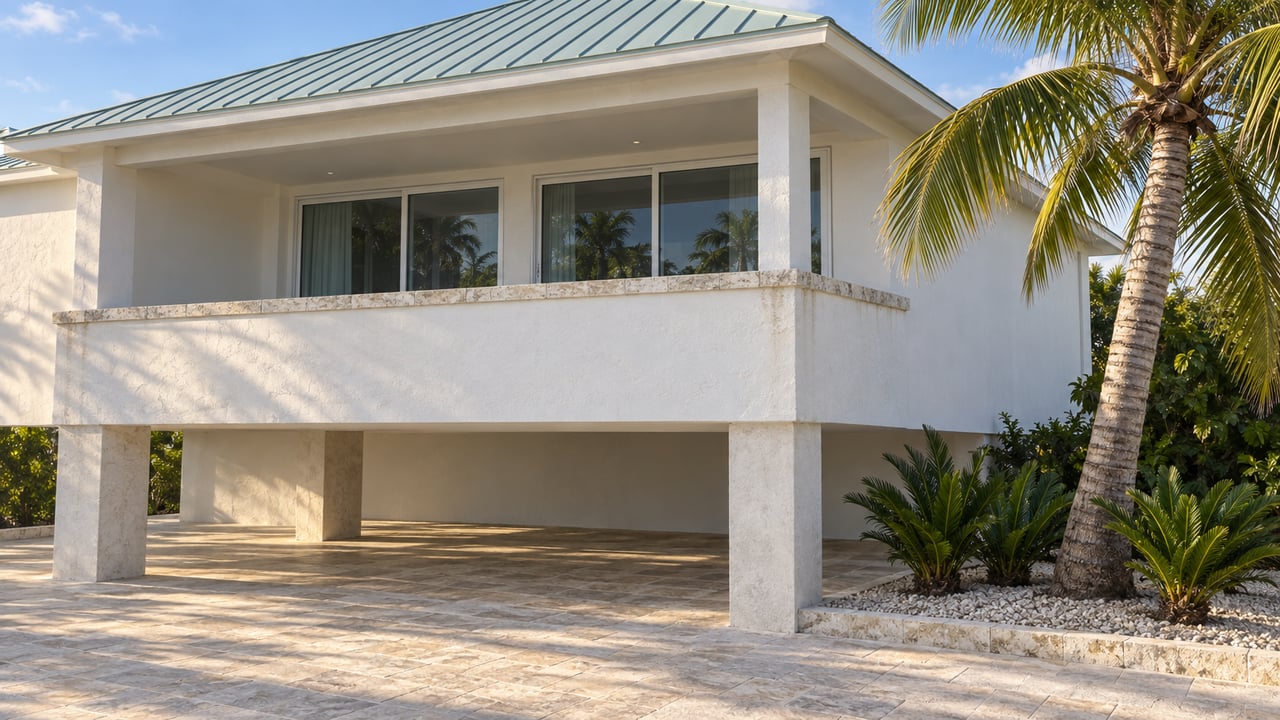
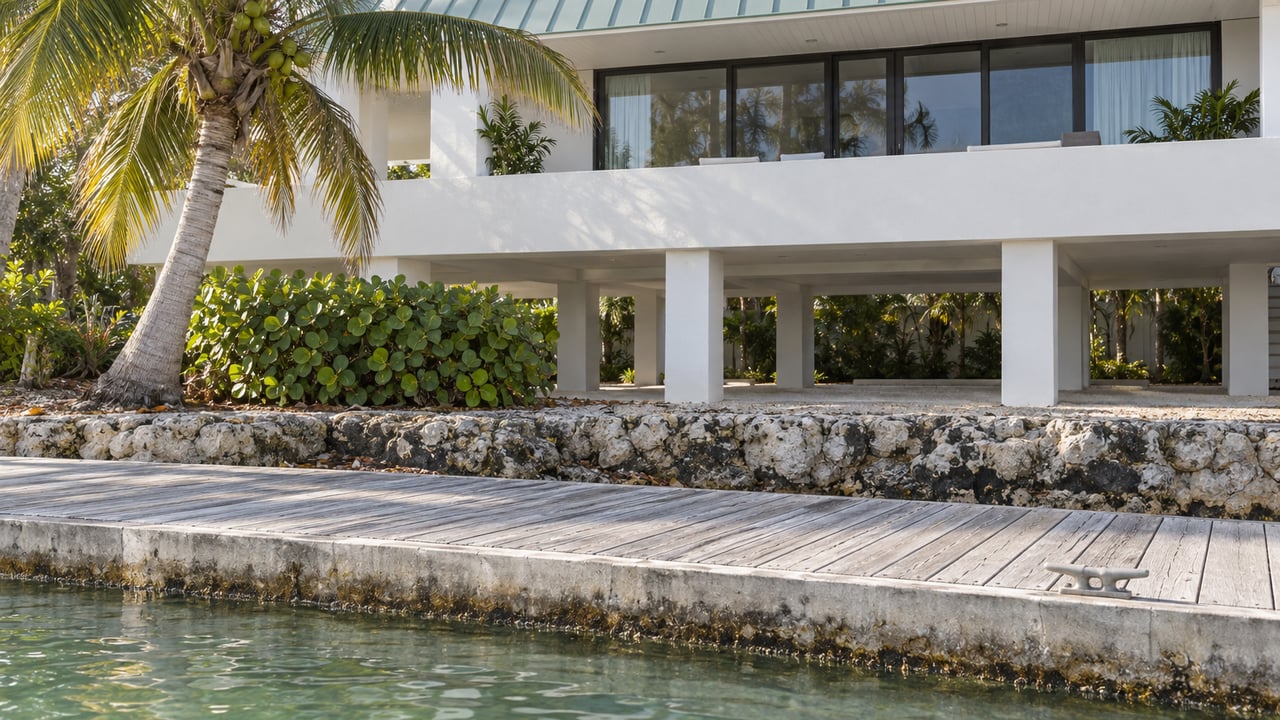
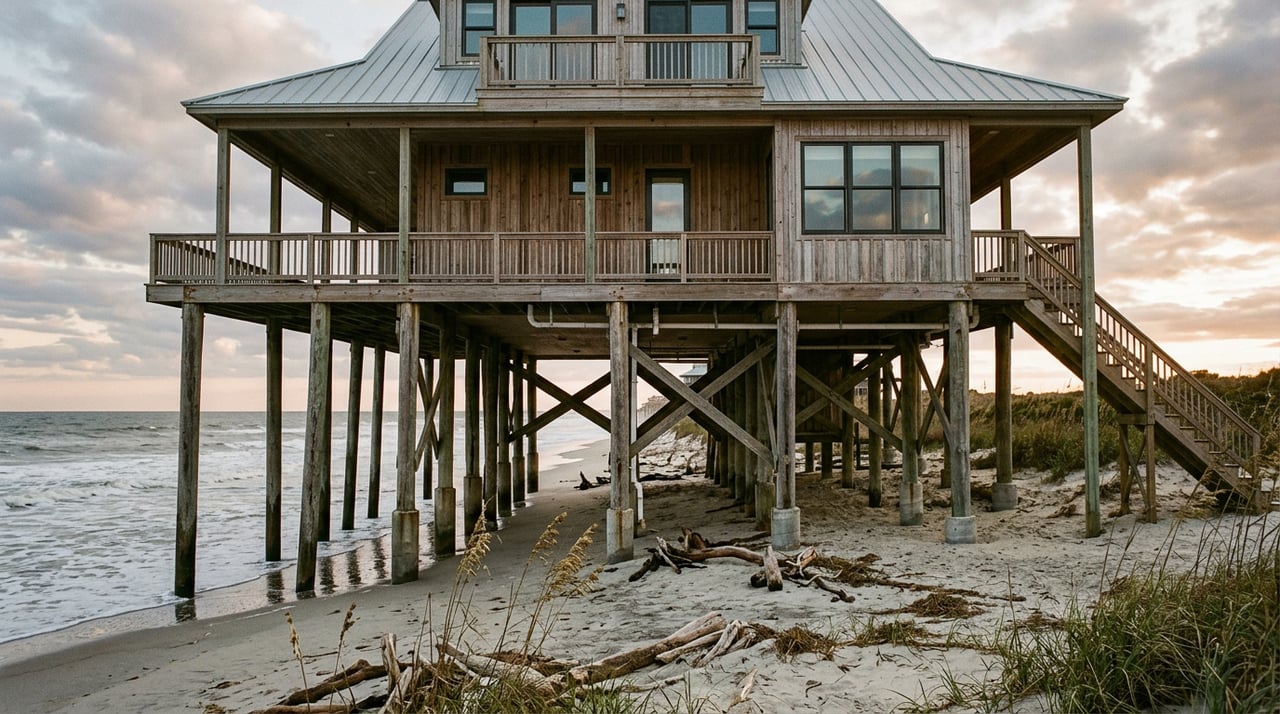
Downstairs spaces beneath elevated homes have historically created confusion in the Florida Keys.
Many buyers walk into a property and see:
- finished walls
- air conditioning
- flooring
- furniture
- guest spaces
- home offices
and assume the space is legal living area.
That assumption can create problems.
Federal flood regulations still limit what enclosed areas below required flood elevations can be used for. These areas generally remain restricted to:
- parking
- building access
- limited storage
Habitable living space below required flood elevation may create enforcement issues and insurance concerns. Recent Monroe County updates removed the longstanding 299-square-foot storage limitation and some prior inspection requirements, but those changes did not eliminate FEMA restrictions regarding permitted use of these spaces. (Monroe County Emergency Management)
For buyers considering older waterfront homes, one of the most important questions to ask is:
“Was this downstairs enclosure legally permitted?”
The answer can significantly affect future renovation plans.
Permitting Timelines Can Affect Renovation Expectations
Buyers often estimate renovation timelines based on mainland experiences.
The Florida Keys can be different.
Permitting timelines vary based on:
- project scope
- structural modifications
- environmental review requirements
- flood zone considerations
- contractor availability
- county review processes
Simple cosmetic projects may move relatively quickly, while structural work or larger remodels often require substantially more planning.
For buyers purchasing with the goal of immediate renovations or seasonal occupancy, this can affect overall project strategy.
Structural Considerations in Older Keys Homes
Many older homes in the Keys were built under different code requirements than those in place today.
Some common considerations include:
Elevation and foundation systems
Older homes may sit lower than current standards or have structural systems that require upgrades when major improvements are made.
Concrete deterioration and corrosion
Salt exposure over decades can affect structural components, reinforcement systems, and hardware.
Roof systems
Roof age, attachment methods, and wind mitigation features can influence both renovation costs and insurance premiums.
Electrical and plumbing systems
Homes built decades ago often contain systems that may require updating during renovations.
While these issues do not necessarily mean avoiding a property, they should be evaluated early because they can change overall investment costs.
FEMA Compliance and the “50 Percent Rule”
One of the most important concepts buyers should understand is what is commonly referred to as the substantial improvement rule.
If renovations meet or exceed a certain threshold relative to the structure’s value, additional requirements can be triggered that may require portions of the home to be brought into current flood compliance standards. (Monroe County Official Website)
This can sometimes mean:
- elevation requirements
- structural upgrades
- flood-resistant construction modifications
- additional engineering
Buyers occasionally assume they can purchase an older home and renovate freely without understanding these thresholds.
Knowing where those trigger points exist can dramatically affect budgeting.
Insurance Implications Buyers Often Overlook
Insurance is another factor frequently underestimated during renovation planning.
Renovations can affect:
- flood insurance premiums
- wind insurance premiums
- mitigation credits
- rebuilding requirements
- replacement cost calculations
Properties with noncompliant areas or unpermitted work may also create underwriting concerns.
Sometimes two seemingly similar homes can have very different insurance outcomes based on elevation, compliance history, and construction characteristics.
Final Thoughts
Older homes in the Florida Keys can offer incredible opportunities. Some of the most desirable properties in the market include homes with renovation potential, waterfront improvements, and opportunities to create long-term value.
The key is understanding the property’s potential before purchasing — not after closing.
For buyers considering renovation projects, evaluating permit history, structural conditions, flood regulations, and long-term feasibility early in the process can help avoid costly surprises and lead to better investment decisions.
Because in the Florida Keys, purchasing a property is only part of the equation. Understanding what you can do with it is equally important.
Sources for current Monroe County/FEMA rule references: recent enclosure changes and floodplain guidance.