Waterfront Architecture On Duck Key: Styles Buyers Notice
June 11, 2026
June 11, 2026
Wondering why so many homes on Duck Key feel instantly recognizable from the water? It is not just a matter of taste. The island’s canals, coastal building rules, resort history, and tropical climate all shape the way homes look and function here. If you are buying on Duck Key, understanding those design patterns can help you spot what fits the island, what supports the waterfront lifestyle, and what may affect long-term upkeep. Let’s dive in.
Duck Key is not a typical mainland neighborhood. It developed as a planned resort and residential island, with four miles of canals, smaller residential islands, and decorative bridges that still define how the community feels today.
That layout matters when you tour homes. On Duck Key, buyers often notice the relationship between the house and the water before anything else. The island’s low-rise, water-oriented pattern also reflects Monroe County’s growth and land-use framework, which steers development in ways tied to evacuation capacity and sensitive coastal conditions.
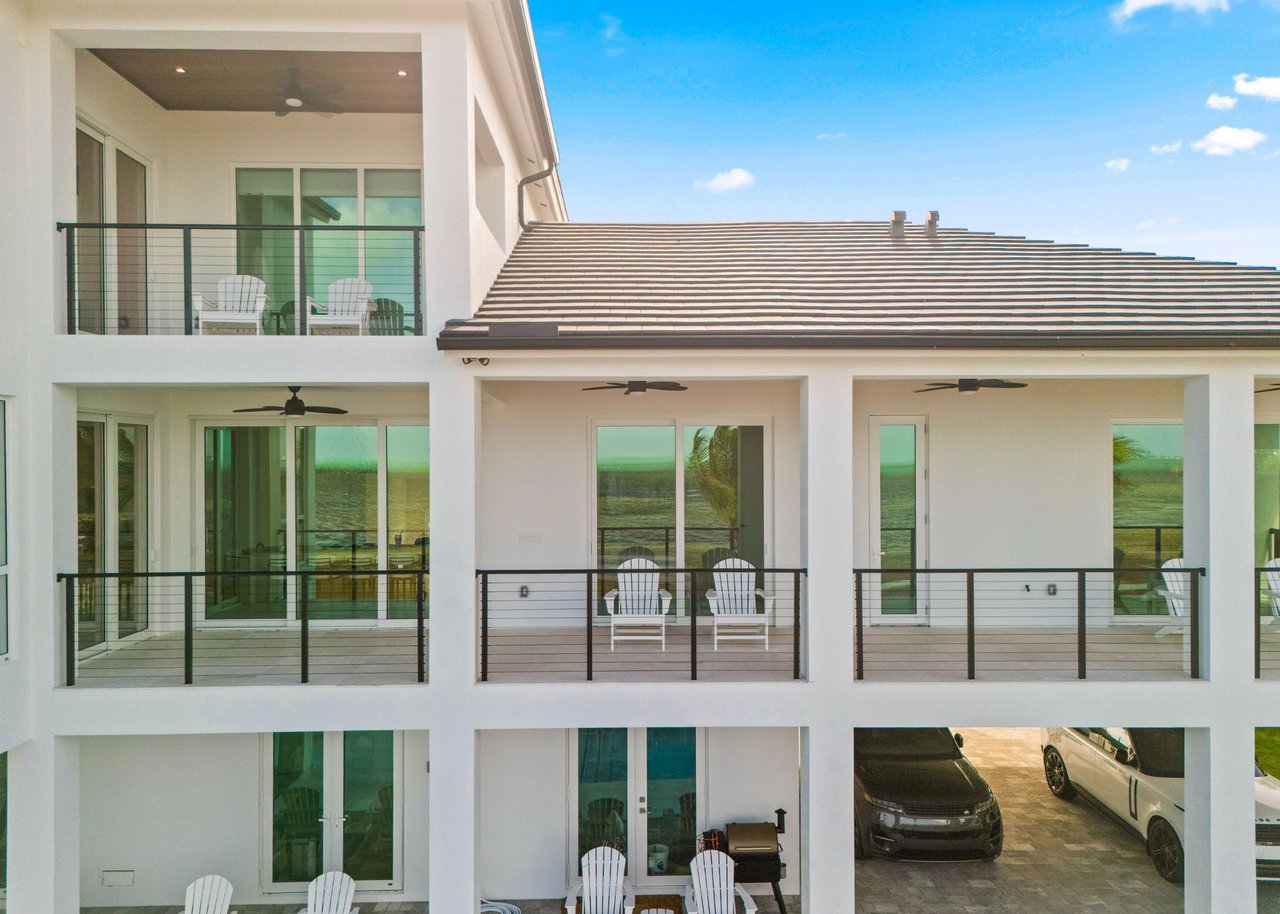
One of the clearest visual themes on Duck Key is the elevated home. Monroe County’s historic assessment describes local examples with stilt construction, sweeping roofs, wide eaves, curving forms, and airy silhouettes that have come to typify the island’s vernacular.
For buyers, this means a raised profile is often part of the home’s identity, not just a structural detail. You will see homes where the living areas sit above grade, while the lower level is used more selectively.
Florida’s 2023 Residential Code requires buildings in coastal high-hazard areas to meet elevated construction standards. It also limits what can be enclosed below the required elevation, typically to parking, access, or storage, with lower walls designed as open screening, lattice, or breakaway construction.
That rule shapes what buyers see during showings. If the ground level feels open, practical, and less finished than the main living floor, that is often part of compliant coastal design rather than a missing feature.
When you tour elevated waterfront homes, these are often the first details that stand out:
Duck Key’s original development leaned intentionally into a West Indian theme. Community history notes that early residences were designed with earth-colored tile roofs and wide overhanging eaves, giving the island a relaxed Caribbean character from the beginning.
That influence still helps buyers define what feels authentic here. Even when a home has been updated, the local visual language often includes shaded outdoor living, tropical roof forms, and a resort-like connection between indoors and outdoors.
The island’s resort history adds another layer to the architecture. By the mid-1990s, more than two hundred Caribbean-style cottages had been built in the Hawk’s Cay area, reinforcing a style vocabulary that many buyers still associate with Duck Key.
Today, that resort-inspired look often shows up through open layouts, rooftop terraces, water-facing living areas, and coastal design cues. On a showing, those features can make a home feel immediately in sync with its setting.
Buyers often use the phrase “modern coastal,” but on Duck Key that look is usually more specific than a generic beach-house update. Monroe County’s survey of local architecture shows homes evolving through gull-wing roofs, porches, classical proportions, and later sweeping roof forms with wide eaves.
In practice, that means the strongest modern updates usually still respect island cues. Rather than fighting the setting, they tend to simplify the massing, strengthen the roofline, and keep the home visually tied to outdoor rooms and the water.
A well-executed modern coastal home on Duck Key often includes:
This is where local design judgment matters. A home can be updated and still feel rooted in Duck Key rather than imported from a mainland subdivision style.
Architecture on Duck Key is shaped by weather as much as by style. The Florida Keys have a mild tropical-maritime climate, and nearby Marathon’s 1991 to 2020 normals show warm temperatures year-round, with a drier season from December through April and a wetter season from June through October.
That climate influences both curb appeal and maintenance planning. Salt air, humidity, sun exposure, and storm conditions all push buyers to look beyond looks alone.
Monroe County’s architectural survey describes material patterns that fit the broader Keys, including:
These choices often work well because they align with local conditions. For a buyer, that makes material selection part of the value story, not just the design story.
NOAA reports that water temperatures in the Florida Keys have risen 1.4°F since 1970, and the region faces stronger storms and changing weather patterns. On Duck Key, that makes resilience part of what sophisticated buyers notice.
A home that uses practical coastal materials, allows airflow, and treats the lower level appropriately can feel more intentional and better suited to the island. In other words, durability and beauty often go hand in hand here.
Duck Key’s canals are not a side note. They are central to how the island was designed, and local history notes they were planned to flush with tidal changes. That canal-based layout helps explain why homes here often feel more connected to boating and outdoor living than to traditional street-facing presentation.
For many buyers, the biggest question is not simply what the front elevation looks like. It is how the home lives at the water’s edge.
When you walk a Duck Key property, buyers often focus on:
These details shape day-to-day use. They also influence whether a home feels effortless for boating, entertaining, and storing gear.
If you are trying to define what feels most “Duck Key,” the answer is usually a blend rather than a single style label. Elevated Keys forms, West Indian and Caribbean influence, and modern coastal updates all appear here, often within the same home.
The strongest examples tend to share a few common traits. They embrace elevation, prioritize shade and airflow, open toward the water, and use materials that make sense for a tropical marine setting.
| Style family | What buyers notice | Why it fits Duck Key |
|---|---|---|
| Classic elevated/stilt | Raised living level, airy silhouette, open lower area, bold roof shape | Aligns with coastal code requirements and long-standing Keys building patterns |
| West Indian/Caribbean | Wide eaves, tile roofs, shaded porches, resort character | Reflects the island’s original development theme and resort history |
| Modern coastal updates | Cleaner lines, strong indoor-outdoor flow, simplified forms | Works best when it keeps local rooflines, porches, and waterfront orientation |
When you tour homes on Duck Key, it helps to look at architecture through both a design lens and a practical lens. A pretty facade matters, but so do elevation, exterior materials, lower-level use, and how the house engages the canal.
That is especially true on a waterfront island where design choices often connect directly to maintenance, use, and long-term value. The most compelling homes usually succeed because they feel beautiful, livable, and well-matched to place.
If you are comparing homes on Duck Key, it helps to have someone who can see both the visual story and the build-quality story. That is where local market knowledge and design fluency can make your search much more focused.
If you want guidance on how a Duck Key home’s architecture, layout, and finish choices may affect value and livability, connect with Kelsey Caputo-Frins for a tailored buying or property review.
Stay up to date on the latest real estate trends.


Everything to Know About Home Prices, Canal and Bayfront Living, the Private Homeowners Park & Boat Ramp, Schools, Boating Access, Restaurants and Everyday Life on Pla… Read more
Everything to Know About Port Antigua Home Prices, Deep-Water Canals, the Private Bayfront Beach, HOA, Channel 5 Ocean Access, Nearby Marina Services and Life on Lower… Read more

A Complete Guide to Home Prices, Waterfront Living, Boating Access, Pirates Cove, Schools, Restaurants and Everyday Life in One of Key Largo’s Most Unique Residential … Read more
Home Prices, Bayfront & Canal Living, Boating Access, Schools, HOA Amenities and What It’s Really Like to Live in Indian Mound