2025/2026 Guide to Investing in Florida Keys Vacation Rentals
Real Estate Kelsey Caputo-Frins December 9, 2025
Real Estate Kelsey Caputo-Frins December 9, 2025
The Florida Keys remain one of the strongest vacation-rental markets in the United States. Limited supply, year-round tourism, high nightly rates, and strong repeat visitor patterns make the Keys uniquely positioned for investors. But performance varies dramatically by Key, zoning rules are strict, and operating costs are different from the mainland.
This 2026 guide breaks down everything investors need to know before purchasing a short-term rental in the Florida Keys, backed by real market structure, investor trends, and on-the-ground dynamics.
1. Understand the Legal Landscape
Short-term rental laws in the Keys vary by municipality and even by neighborhood. Understanding them upfront prevents expensive surprises later.
Key areas with short-term rental allowances (varies by zone):
- Key West: Different license categories Top tier ADR (average daily rate). Transient licenses are rare and expensive; huge revenue upside.
For a more in-depth break down of the rental market, check out this blog https://kelseycaputorealtor.com/blog/the-airbnb-market-in-the-florida-keys-explained
2. Cap Rates, Revenue Expectations & What’s Actually Performing in 2025
Vacation rentals in the Keys aren’t “cheap” investments, but they can be strong cash-flowing assets when purchased correctly.
Typical 2025 cap rate ranges:
What drives profitability:
Seasonality still rules:
Successful operators price dynamically, adjusting rates daily based on demand.
3. Operating Costs in 2025/2026: What Investors Must Budget For
The Keys have higher operating costs than most Florida markets. Smart planning prevents cash-flow surprises.
Typical expenses:
Budget for approximately 1%–2% of property value per year in maintenance given the marine climate.
4. What Guests Want and What Gets the Best Reviews
Your nightly rate and occupancy depend on meeting modern expectations.
Top guest priorities:
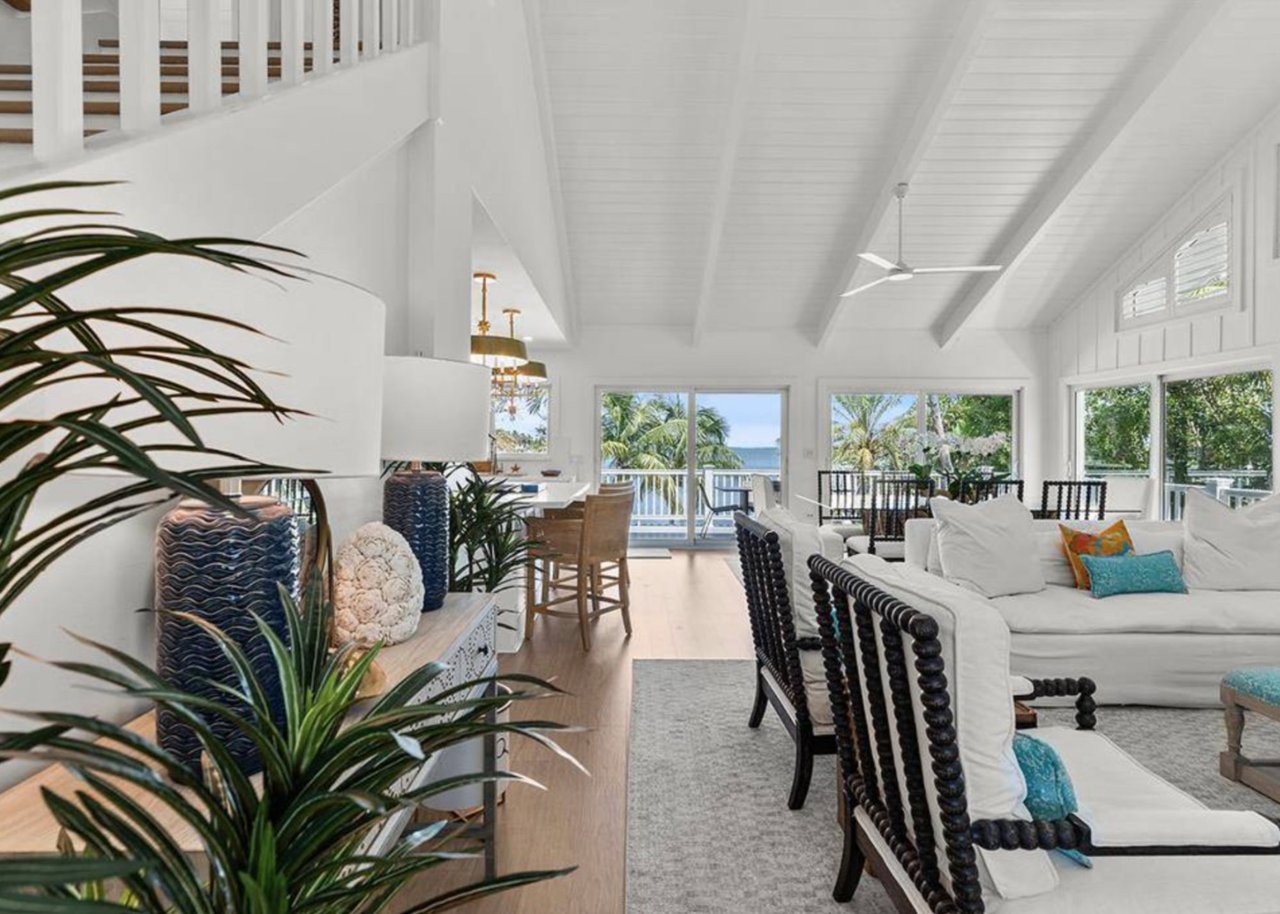
Photos matter. Homes with bright, natural coastal palettes outperform dark or dated interiors across all platforms. Homes staged and decorated get the most attention. People are spending a lot of money to rent a home versus staying at a hotel so they want to feel like their accommodation is 5 star!
5. ADR Ranges You Can Count On in 2026
For renovated 3–5 bedroom homes with a pool:
Luxury canal and open-water homes trend toward the top of these ranges.
Occupancy Patterns
The Keys do not experience the extreme seasonal collapse seen in other Florida coastal markets. Tourism demand is too stable and too diversified.
At the same occupancy, a $1.5M vacation rental in Islamorada can outperform a similar home in Marathon by roughly $15K–$20K a year in gross income. Marathon, however, often makes it easier to actually hit 70–75% occupancy because of friendlier rental zoning and deeper STR infrastructure. The right play comes down to your risk tolerance, your design budget, and whether you’re optimizing for yield, lifestyle, or both.
The Florida Keys continue to outperform many vacation rental markets due to scarcity, year-round tourism, and high nightly rates. If you’re analyzing a property or want a customized investment breakdown, I can prepare a full report including cap rate, projected revenue, operating costs, and regulatory compliance.
Request a customized Florida Keys vacation rental investment analysis or STR zone review.
Stay up to date on the latest real estate trends.

Lifestyle
A Local Guide to the Best Pilates in Key Largo, Tavernier, Islamorada and Marathon—from Reformer and Mat Pilates to Private Sessions and Wellness Experiences Shaping t… Read more
Real Estate
Sales are up, prices are higher and nearly $2.2 billion in residential real estate has traded so far this year. Here’s what the data says—and what buyers and sellers s… Read more
Real Estate
Real Estate
A Local Buyer’s Guide to Key Largo, Tavernier, Islamorada, Marathon, Big Pine Key and the Lower Keys—Including Home Prices, Property Types, Insurance Considerations an… Read more