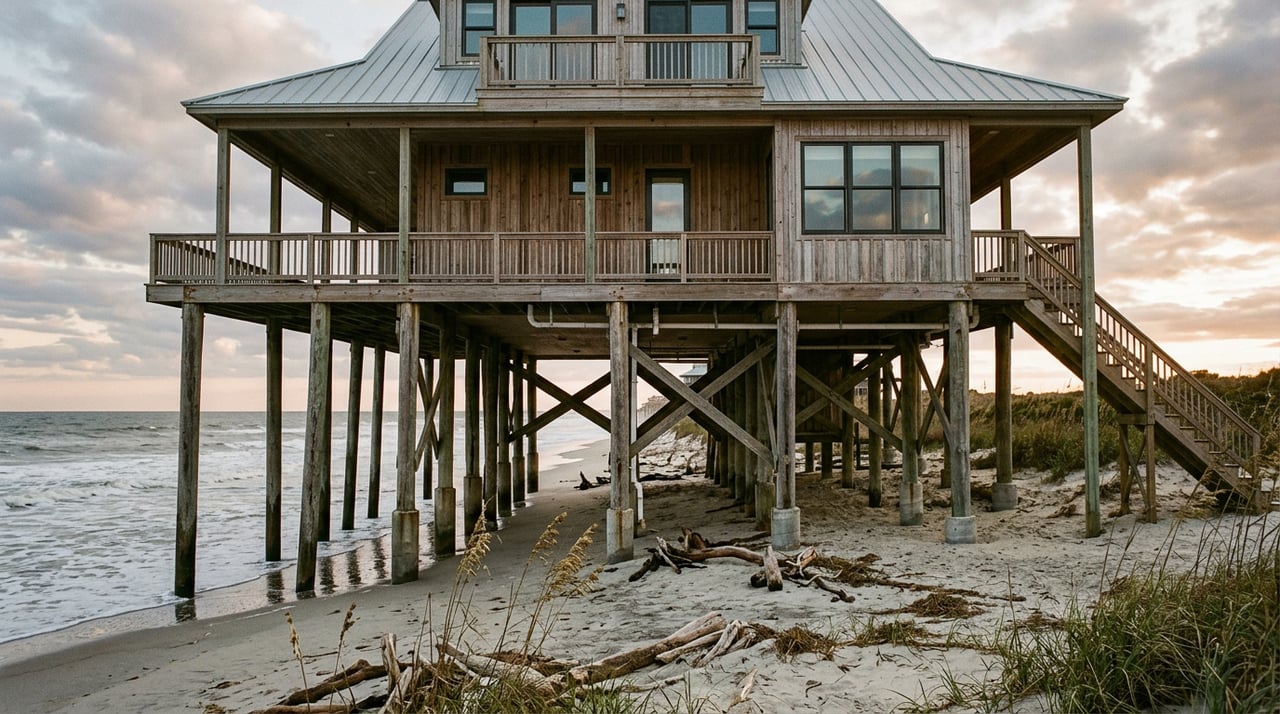
Florida 80–30 Property Tax Reform for Florida Keys Primary & Second Homeowners
Real Estate Kelsey Caputo-Frins March 1, 2026
Real Estate Kelsey Caputo-Frins March 1, 2026
What Florida’s 80-30 Property Tax Vote Means for Primary and Secondary Homeowners in the Florida Keys
In February 2026, the Florida House of Representatives advanced a major tax policy proposal that could reshape property ownership economics for millions of Floridians. By an 80-30 vote along party lines, the House approved a joint resolution to put a constitutional amendment before voters in November 2026 that would eliminate most local property taxes on homestead (primary) residences beginning January 1, 2027 — while preserving taxes that fund public schools and other core services.
This proposal reflects one of the most aggressive property tax reform efforts in Florida’s history: it would make the state potentially the first in the nation to phase out most ad valorem taxes on primary homes, fundamentally altering the cost structure of homeownership for millions.
However, this measure is not yet law. Before taking effect, it must first receive a three-fifths majority in the Florida Senate to be placed on the ballot, and then pass with at least 60 % approval from voters during the 2026 general election.
For homeowners in the Florida Keys — particularly those contemplating luxury primary or secondary property ownership — understanding the potential implications is essential for strategic planning.
Primary Homeowners: Potential Long-Term Savings and Uncertain Transition
If approved by voters in November, the proposed amendment would give primary residents (those who qualify for a homestead exemption) exemption from all non-school property taxes, potentially reducing or eliminating a significant recurring cost starting in the 2027 tax year.
For residents who establish Florida homes as their primary residence, this could translate into:
This aligns with existing homestead protections — including constitutional caps on assessment increases under Florida’s “Save Our Homes” provision — and could significantly amplify the financial benefit of claiming Florida as a residence. (Wikipedia)
At high price points in the Florida Keys, savings could accumulate meaningfully over time, especially for buyers whose secondary residences might eventually become primary homes as they transition to full-time residency.
Secondary and Investment Property Owners: Status Quo, for Now
It is critical to note that secondary homes, vacation properties, investment residences, and commercial properties would not qualify for these proposed exemptions. Second homes in the Keys — including high-end waterfront estates that serve as vacation retreats or short-term rental investments — would continue paying property taxes under current rules, unless separate exemptions for non-homestead properties are approved in a different legislative action.
This distinction creates a clear divergence in tax outcomes:
For owners and buyers of luxury second homes in the Keys — a market driven by lifestyle preference and capital allocation — this reinforces the financial importance of ownership structure, residency intent, and investment strategy.
Broader Implications for Local Services and Community Infrastructure
Property taxes in Florida are levied locally and fund essential services such as police, fire protection, road maintenance, utilities, parks, and more. Critics of the proposal have raised concerns that a wholesale elimination of non-school property taxes on homesteads could strain municipal budgets and potentially shift revenue burdens to other sources or stakeholders.
Proponents argue that the shift would make Florida more competitive and protect homeowners from rising tax assessments. Opponents warn that local services might face funding gaps, which could lead to changes in fees, service levels, or alternative revenue mechanisms.
For Florida Keys residents — where public infrastructure must support both permanent and seasonal populations — these dynamics bear watching. Any redistribution of tax burdens or shifts in funding structures could indirectly affect property values, service delivery, and community planning.
Strategic Considerations for Buyers and Owners
Primary home buyers in the Keys might view a potential tax exemption as a multi-year savings opportunity, reducing long-term carrying costs and improving net returns on owner-occupied luxury properties. Establishing homestead status could become a priority for buyers considering a transition to full-time residency.
Secondary home buyers should continue to plan based on current property tax obligations. Tax neutrality for vacation homes means that property taxes will remain part of carrying cost assumptions for investment analysis or lifestyle purchases.
Until the measure clears the Senate and is ratified by voters, property tax projections remain contingent and speculative. Buyers and owners should consult trusted tax professionals and financial advisors to model scenarios under both current law and potential reform outcomes.
Bottom Line
The Florida House’s 80-30 vote to advance a constitutional amendment targeting the elimination of property taxes on primary residences represents one of the most ambitious tax reform efforts in state history.
For Florida Keys homeowners, it highlights the strategic distinction between primary residency and secondary ownership, with potential financial implications for high-net-worth buyers considering how best to structure their Florida real estate ownership.
As this proposal continues through the legislative process and potentially onto the 2026 ballot, monitoring its evolution remains critical — especially for buyers and owners who may benefit from potential tax savings or who must anticipate shifts in local government finance structures.
Stay up to date on the latest real estate trends.


Lifestyle
A Local Guide to the Best Pilates in Key Largo, Tavernier, Islamorada and Marathon—from Reformer and Mat Pilates to Private Sessions and Wellness Experiences Shaping t… Read more
Real Estate
Sales are up, prices are higher and nearly $2.2 billion in residential real estate has traded so far this year. Here’s what the data says—and what buyers and sellers s… Read more
Real Estate

Real Estate
A Local Buyer’s Guide to Key Largo, Tavernier, Islamorada, Marathon, Big Pine Key and the Lower Keys—Including Home Prices, Property Types, Insurance Considerations an… Read more