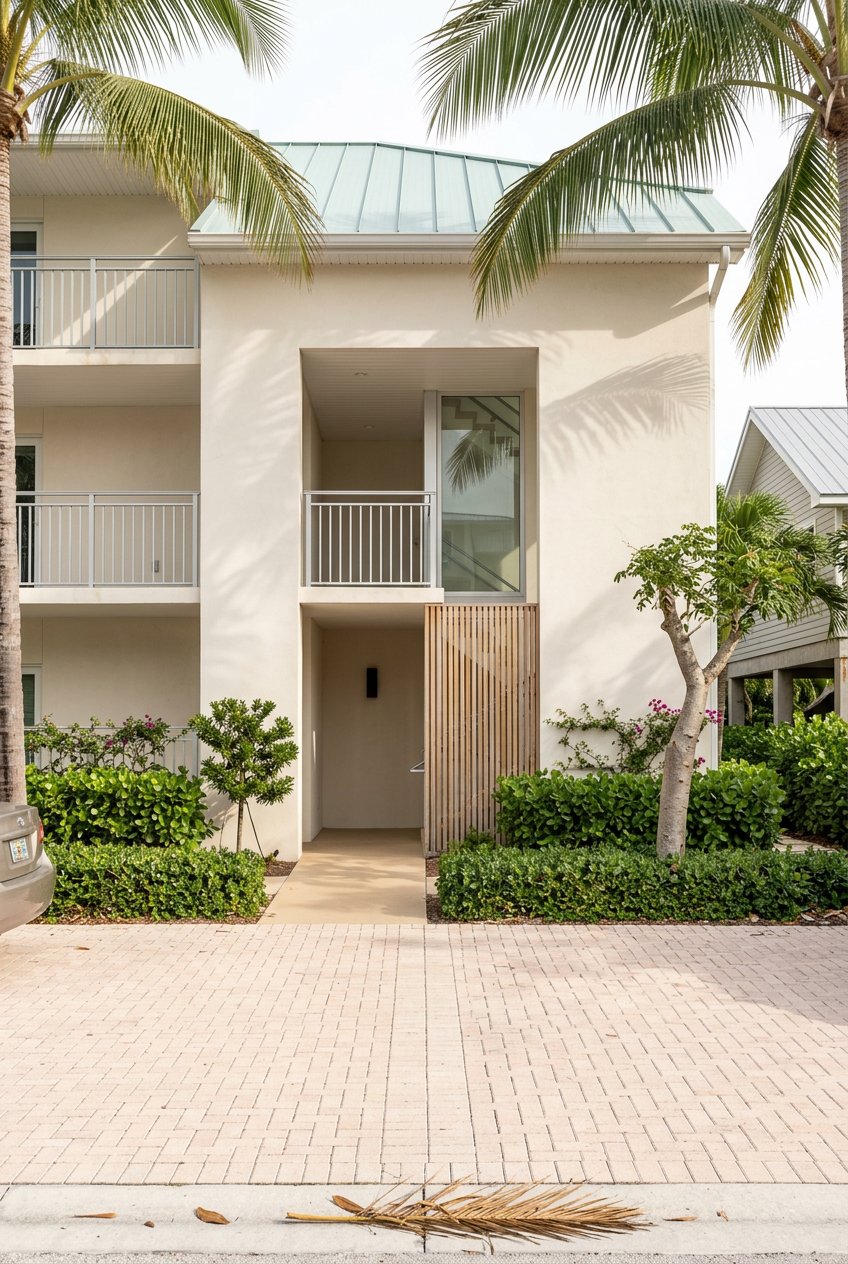
Condo Vs Single-Family Living In Tavernier
March 24, 2026
March 24, 2026
Trying to decide between a condo or a single-family home in Tavernier? You are not alone. In the Upper Keys, the right fit often comes down to how you plan to live, boat, and manage ongoing costs. This guide breaks down real-world tradeoffs in Tavernier and nearby Plantation Key so you can narrow your search with confidence. Let’s dive in.
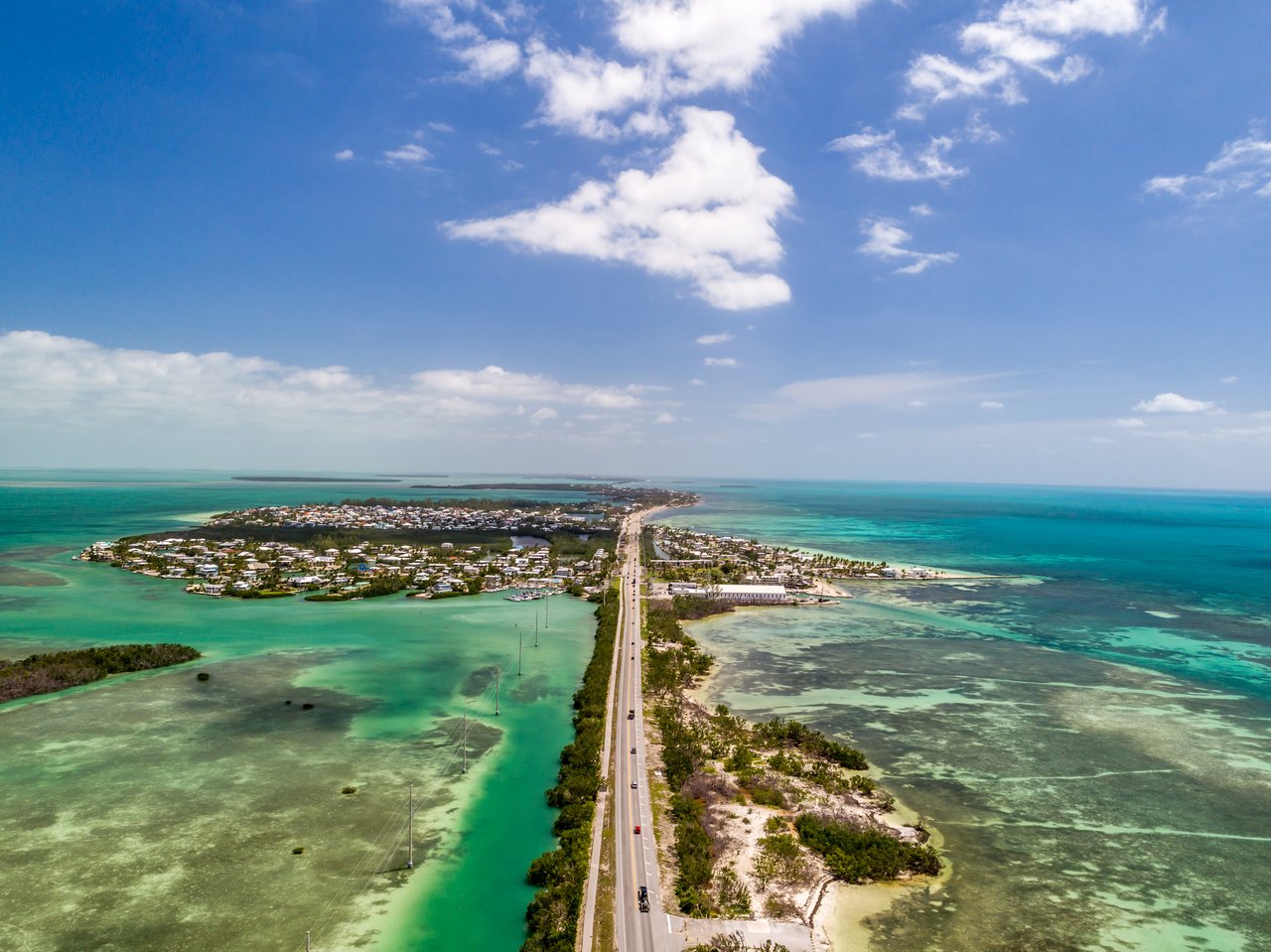
Tavernier sits in Monroe County along U.S. 1, with Plantation Key just to the southwest as part of the Village of Islamorada. The two areas share the same island lifestyle but differ in price points and local services. For broader context on geography and governance, see the Village of Islamorada reference for Plantation Key and the Tavernier overview on Wikipedia.
Recent consumer dashboards have reported a Tavernier median sale price around the low-to-mid six-hundreds, with an example figure near 639,000 dollars. Plantation Key typically trends higher, with a recent MLS market report showing a median sale price around 1.175 million dollars, reflecting strong demand for waterfront and resort-style homes. You will find both areas span a broad range, from more accessible condos and inland homes to multimillion-dollar canal and bayfront properties. Always verify current numbers with your agent’s MLS data before making decisions.
The Keys Real Estate MLS market snapshot offers a helpful look at Plantation Key’s premium positioning.
Condos and townhomes shift much of the exterior upkeep to the association. The association typically handles building insurance for the structure, exterior maintenance, landscaping, and common docks if provided. Florida’s Condominium Act defines many of these responsibilities and the association’s budgeting and assessment powers. Review the building’s budget, reserves, and declaration to understand what you own and what the association covers. You can read the relevant law in Florida Statutes Chapter 718.
Florida also requires Structural Integrity Reserve Studies (SIRS) for many multi-story residential condo buildings. SIRS compliance and funding can affect monthly fees and special assessments. If you are considering a condo, ask when the last SIRS was completed and how reserves are funded. Learn more about SIRS considerations from this engineering overview.
With single-family homes, you control your maintenance plan. You are responsible for the roof, yard, pool, dock, seawall, and any lifts. After storms, dock and seawall repairs can be significant, so it is smart to ask for recent inspection reports and repair histories before you make an offer.
Boat access is central to the Keys lifestyle and can be the deciding factor between a condo and a house.
In condos, verify whether a slip is deeded to your unit, assigned, or shared. In single-family homes, confirm whether the existing dock and lift are permitted and in good condition.
Condos trade space and privacy for convenience and amenities. You will have neighbors close by, shared walls in townhomes, and limited private outdoor areas. For many buyers, that is a fair trade for low-maintenance living and community features.
Single-family homes usually mean more separation and a quieter setting. You can organize gear, plan outdoor living spaces, and host with more flexibility. If you value privacy and room to spread out, a house is often the better fit.
Insurance is a core part of the Keys ownership picture.
If you are buying waterfront, plan to verify dock legality and condition. Monroe County sets shoreline setbacks and often requires a biological review for docks. Many projects also require state or federal permits. Ask sellers for permits and as-builts, and confirm whether any work will need county, state, or U.S. Army Corps approvals. You can review the county’s shoreline and dock code in Monroe County’s land development code.
Use this list to compare specific properties and avoid surprises:
Choosing between condo simplicity and single-family independence is easier when you see the full cost and lifestyle picture. With Keys roots, architecture training, and licensed general contractor and interior design expertise, I help you read HOA budgets and SIRS reports, evaluate dock and seawall conditions, and plan practical upgrades that fit your boating and living goals. The result is a clear plan that balances price, access, and long-term value.
Ready to explore properties with a focused game plan? Reach out to Kelsey Caputo-Frins for a tailored tour list, dock and design insights, and a step-by-step path to your Keys home.
Stay up to date on the latest real estate trends.



Everything to Know About Home Prices, Canal and Bayfront Living, the Private Homeowners Park & Boat Ramp, Schools, Boating Access, Restaurants and Everyday Life on Pla… Read more
Everything to Know About Port Antigua Home Prices, Deep-Water Canals, the Private Bayfront Beach, HOA, Channel 5 Ocean Access, Nearby Marina Services and Life on Lower… Read more

A Complete Guide to Home Prices, Waterfront Living, Boating Access, Pirates Cove, Schools, Restaurants and Everyday Life in One of Key Largo’s Most Unique Residential … Read more
Home Prices, Bayfront & Canal Living, Boating Access, Schools, HOA Amenities and What It’s Really Like to Live in Indian Mound