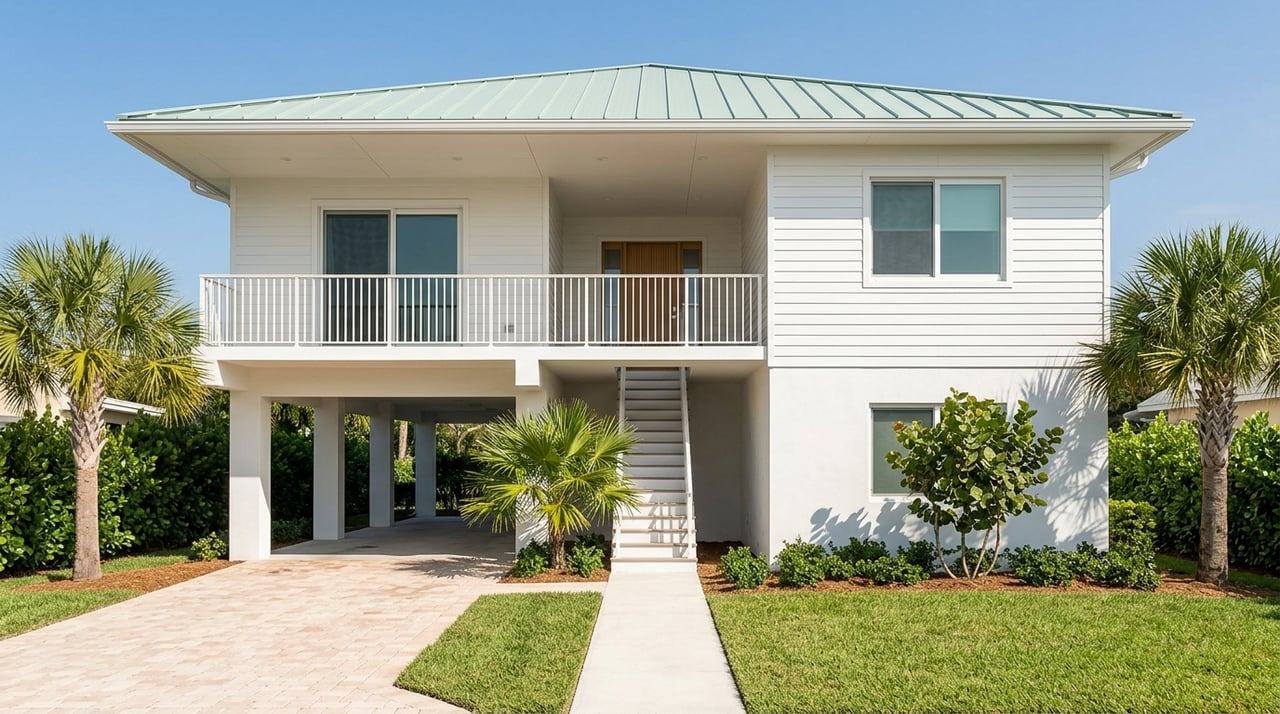
From Design Consult To Closing: Listing A Duck Key Home
May 7, 2026
May 7, 2026
Selling on Duck Key rarely starts with a sign in the yard. It starts with a plan. If you want a strong result in an island market where timelines can stretch and property details matter, you need more than a quick list date. You need a clear path from valuation and design decisions to showings, offers, and closing. Let’s dive in.
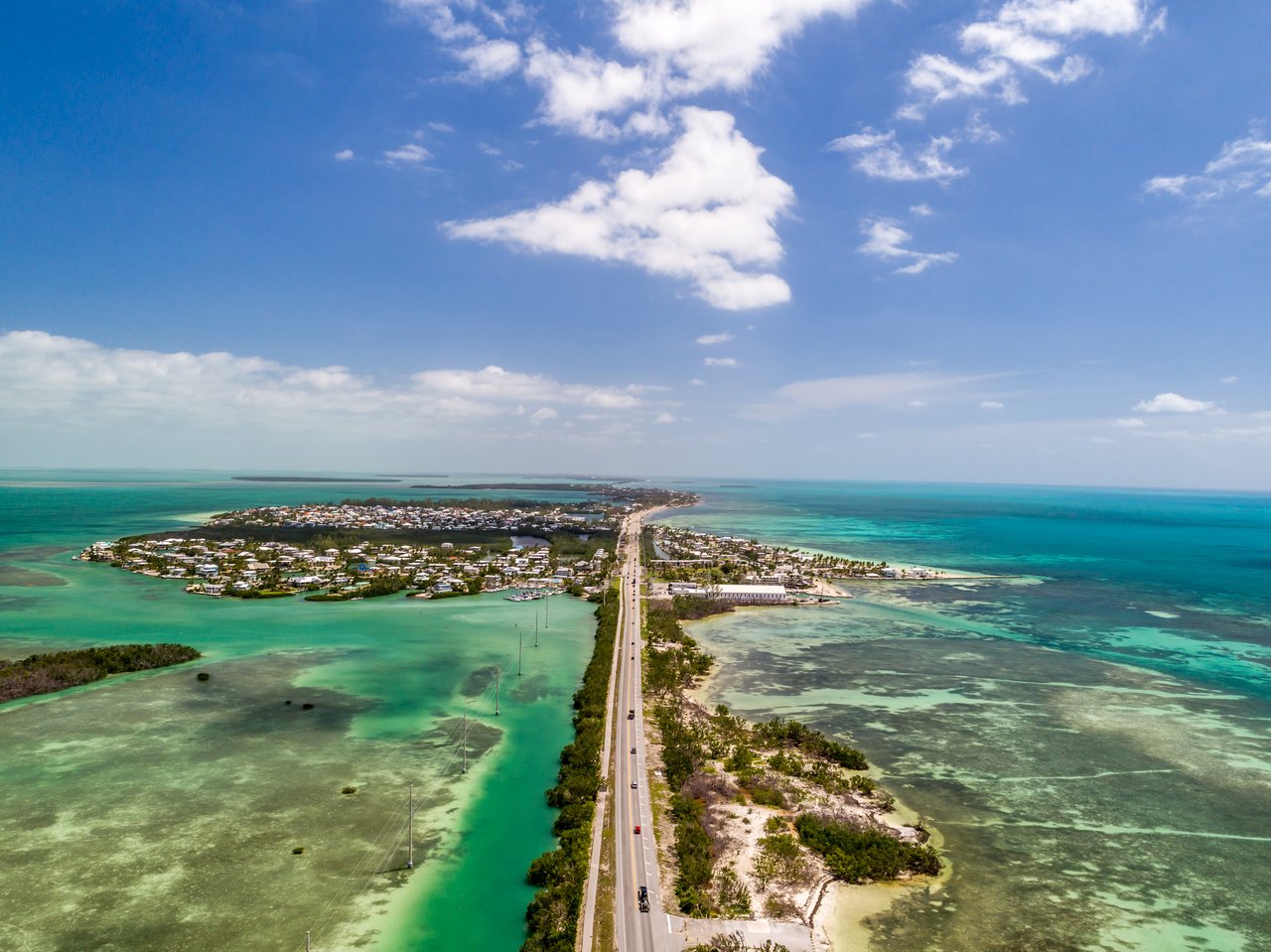
Duck Key is a small island community east of Marathon in unincorporated Monroe County. That setting shapes the selling process in real ways, from waterfront features to permit history to flood-related considerations. What works for a typical mainland home does not always work here.
Current market data also supports a thoughtful approach. Realtor.com shows 93 active listings in Duck Key, a median listing price of $850,000, and a median of 73 days on market as of April 2026. The same data shows homes selling for an average of 6.65% below asking in March 2026, and Redfin reports a much longer pending timeline in its broader lookback window at about 184 days.
The takeaway is simple: in Duck Key, a listing should be treated like a managed project. Presentation matters, pricing matters, and pre-listing prep matters. When those pieces work together, you give your home a better chance to stand out in a buyer's market.
The first step is understanding what you are selling in today’s market, not just what the home looked like a year ago or what a neighbor hoped to get. A valuation helps set realistic pricing, while a design consult helps identify what will actually improve presentation and value before launch.
For many sellers, this phase is where the right strategy takes shape. Some homes need only light cosmetic work like paint touch-ups, decluttering, and finish selections. Others may need a deeper review of waterfront elements, enclosure questions, flood-related items, or prior improvements that could affect marketability.
A practical planning estimate is that a straightforward valuation and design consult can happen in about a week. Cosmetic prep may take 1 to 4 weeks, while permit-sensitive work can take longer because Monroe County’s review process can involve multiple disciplines and inspections. That timing is an informed planning estimate based on the county’s workflow, not a formal county deadline.
This step is especially important in Monroe County. The county specifically advises owners and buyers to check permitting history because improperly permitted work may need to be corrected at the owner’s expense after purchase.
That matters even more on Duck Key, where homes may include docks, enclosures, additions, outdoor improvements, or prior renovations. If a buyer discovers permit issues during due diligence, your transaction can slow down, costs can rise, and confidence in the deal can drop.
Monroe County also notes that in Special Flood Hazard Areas, improvements reaching the 50 percent threshold of market value can trigger current construction standards, including elevation requirements. For sellers, that is a strong reason to identify concerns early instead of waiting until a buyer or inspector raises them.
For homes with dock access, county code adds another layer. Monroe County states that a building permit is required to establish a dock or docking facility, and that use is limited to lawfully altered shorelines adjacent to manmade canals, channels, and basins.
If your property’s appeal includes boating access, the dock, shoreline relationship, and permit history should be reviewed before marketing begins. Buyers shopping Duck Key waterfront often care deeply about these details, so clarity up front can make your listing stronger and your negotiations smoother.
Once your scope is set, the next goal is to finish visible repairs before photography and staging. This sounds basic, but it can make a major difference in how buyers respond online and in person.
In a small island market with active inventory, buyers compare condition quickly. If your home looks unfinished in photos, it can read like a future project instead of a ready opportunity. That can affect interest, showing volume, and your leverage later.
Monroe County’s permitting system also makes scheduling important. The county says its Building Department reviews work across planning, environmental, structural, plumbing, mechanical, electric, floodplain, and fire disciplines. Its permitting system is online from submission to closure, paper applications are not accepted, and appointments are strongly encouraged.
That means timing matters. If your listing prep includes permit-sensitive work, it is wise to coordinate early so your marketing timeline does not get stuck behind avoidable administrative delays.
Staging is not just about making a home look pretty. It is about helping buyers understand the space, feel the lifestyle, and see the property as move-in ready.
The 2025 Profile of Home Staging found that 29% of agents said staging produced a 1% to 10% increase in the dollar value offered. It also found that 49% said staging reduced time on market. For sellers, the most common recommendations were decluttering, cleaning, and improving curb appeal, and the median cost for professional staging was $1,500.
On Duck Key, staging can be especially useful because buyers are often comparing lifestyle as much as square footage. Clean sight lines, bright finishes, and a calm coastal presentation can help buyers focus on water views, outdoor living, and the home’s strongest architectural features.
You do not always need a full redesign to improve a listing’s performance. Often, the most effective changes are the most practical:
The goal is to present a finished, cohesive home. In a market where buyers have options, that sense of readiness can matter.
Buyers usually meet your home online first. That makes media production a central part of the listing process, not a final add-on.
The same staging research found that buyers’ agents see photos as especially important in buyer decision-making, with physical staging, videos, and virtual tours also carrying weight. In practical terms, your photos need to show the home at its best on day one.
That is why staging and photography should happen after visible repairs are complete and before the property goes live. When the home feels finished in photos, your launch is more likely to attract serious attention instead of hesitation.
Even with strong preparation, Duck Key sellers should plan for a longer runway than a fast mainland sale. Realtor.com’s median is 73 days on market, while Redfin’s broader lookback shows about 184 days to pending.
That does not mean your home will take that long. It means your strategy should support patience, pricing discipline, and strong presentation from the start. In a buyer's market, overpricing can make time on market longer, while thoughtful positioning can help you stay competitive.
A strong launch usually follows this sequence:
This kind of structure is where a design-forward, construction-aware listing approach can add real value. Instead of reacting to issues midstream, you address them before they affect buyer confidence.
Once you accept an offer, the process shifts from marketing to execution. This is the phase where documents, inspections, insurance, title, and timelines come into focus.
The closing process typically includes lender document requests, a home inspection, homeowner’s insurance, title insurance and other closing services, review of the Closing Disclosure, and final signing. A settlement agent, often a title company, escrow company, or attorney, coordinates the transfer and records the deed and other documents with the county.
For sellers, this phase often depends on factors outside your listing prep alone. Lender underwriting, title work, repair negotiations, the buyer’s inspection timeline, and the buyer’s insurance process can all affect closing speed.
Florida sellers should also be prepared for important disclosure obligations. Under Florida law, a residential seller who knows of facts materially affecting the property’s value that are not readily observable has a duty to disclose them.
Florida Statute 689.302 also requires a seller to complete and provide a flood disclosure to the buyer at or before contract execution. The statutory form reminds buyers that homeowners’ insurance does not cover flood damage.
On Duck Key, these disclosure themes are especially relevant. Flood history, permit history, enclosure status, and waterfront systems can all become important parts of the transaction conversation.
Island homes often sit at the intersection of design, structure, permitting, and lifestyle. That is why listing a Duck Key property can benefit from a coordinated approach rather than a one-size-fits-all checklist.
When you can connect valuation, design decisions, prep work, and market positioning from the beginning, you reduce surprises later. You also create a listing that feels more polished to buyers and more manageable to you.
For sellers who want to maximize value, the best process is usually not the fastest-looking one. It is the one that solves problems early, presents the home beautifully, and keeps the path to closing as clean as possible.
If you are thinking about selling on Duck Key, a smart first step is a valuation and design consult that looks at both market position and property readiness. To start that conversation, connect with Kelsey Caputo-Frins.
Stay up to date on the latest real estate trends.



Everything to Know About Home Prices, Canal and Bayfront Living, the Private Homeowners Park & Boat Ramp, Schools, Boating Access, Restaurants and Everyday Life on Pla… Read more
Everything to Know About Port Antigua Home Prices, Deep-Water Canals, the Private Bayfront Beach, HOA, Channel 5 Ocean Access, Nearby Marina Services and Life on Lower… Read more

A Complete Guide to Home Prices, Waterfront Living, Boating Access, Pirates Cove, Schools, Restaurants and Everyday Life in One of Key Largo’s Most Unique Residential … Read more