Islamorada Bayside vs Oceanside: How to Choose
March 1, 2026
March 1, 2026
Do you picture coffee with a sunrise over the Atlantic or a sunset melting into Florida Bay? In Islamorada, that one choice shapes your daily rhythm, your boating, and even the kind of dock you will need. If you are weighing bayside versus oceanside living, you want clear, local insight before you invest. In this guide, you will learn how each shoreline feels, how you will use the water, and what to confirm about permits, docks, flood zones, and insurance so you can buy with confidence. Let’s dive in.
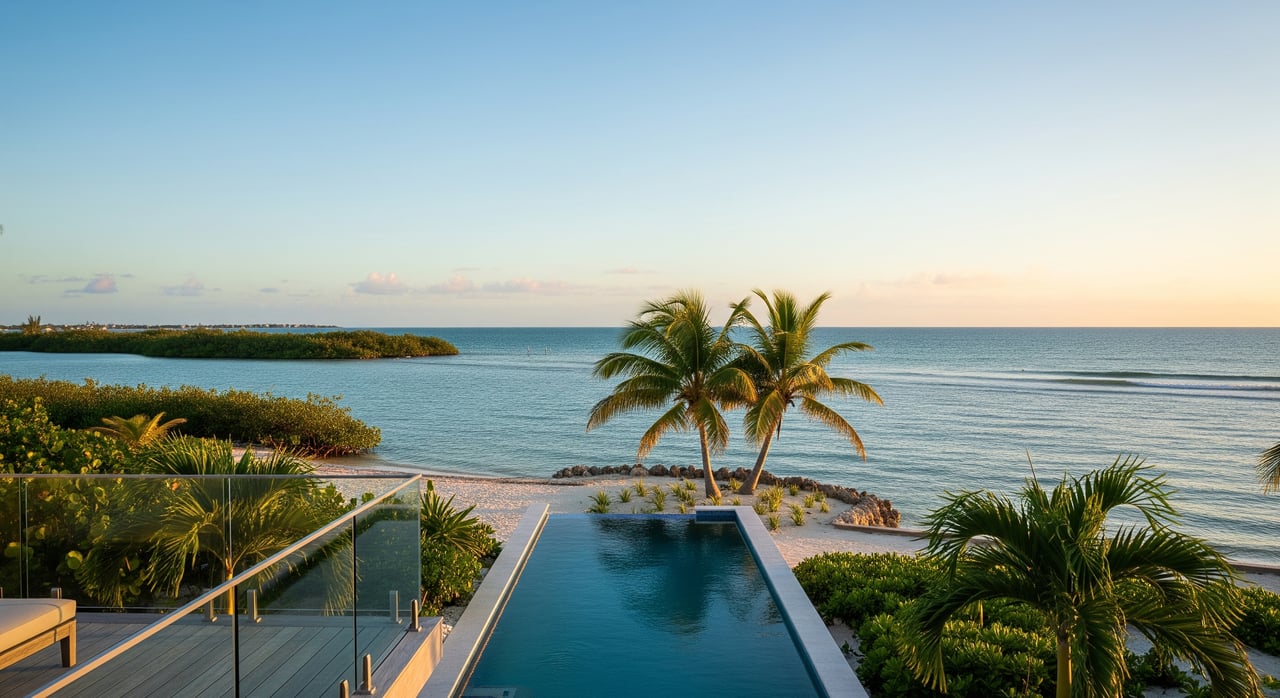
You live on a ribbon of islands where one side faces the Atlantic and the other looks toward Florida Bay. The oceanside brings broad horizons, reef color, and sunrise views. It is typically more exposed to easterly trade winds and has more wave action. The bayside is calmer, more sheltered by mangroves, and known for memorable sunsets across the bay.
Marine life and activities also differ. The oceanside provides direct access to deeper channels, offshore fishing, and reef diving or snorkeling. The bayside’s shallow flats favor kayaking, paddleboarding, birding, and flats fishing. You may encounter manatees more often near mangrove and bay areas, while dolphins and shorebirds move along both sides.
Your boat choice should match your shoreline. On the oceanside, larger center consoles and sportfishing boats are common because you can reach reef and bluewater grounds more directly through deeper channels. On the bayside, flats skiffs, shallow‑draft center consoles, kayaks, and paddleboards shine on calm flats and winding mangrove channels. Trailer launches are often easier on the bayside, while offshore trips tend to stage from marinas with deeper access.
Think about services and slip depth before you buy. Full‑service marinas that support larger, ocean‑capable vessels are more common near deeper channels and on the oceanside. Smaller private docks and community ramps are widely distributed on the bayside. If you need a guaranteed deep‑draft slip, verify each marina’s depth and length, upland services, and any waitlist timelines.
Plan your routes with rules in mind. Speed zones, manatee protection areas, and no‑wake rules are enforced, especially in shallow bays and near inlets. These zones can affect your on‑water commute time and the way you plan outings with guests. Docking, dredging, and any new in‑water construction are tightly regulated in Islamorada and Monroe County, with environmental reviews to protect seagrass and mangroves.
Bayside living leans into calm water, mangrove views, and lower boat speeds. You may see more paddlers in the channels and hear more nature at night. Some lots feel private and green due to mangrove cover. Expect occasional wakes from flats boats and seasonal insect noise near vegetation.
Oceanside living highlights open water and a sea‑driven aesthetic. In peak season you may notice more boat traffic heading to the reef or offshore, along with brighter horizons and consistent breezes. Homes often emphasize long ocean views and proximity to channels suited for larger boats.
Everyday convenience is similar on both sides. Islamorada’s restaurants, galleries, markets, and parks are dispersed across the Village of Islands rather than concentrated on one shoreline. Access time depends more on which key you live on and your exact neighborhood than whether you are bayside or oceanside.
Price and positioning vary by side and by parcel. Oceanside properties often command premiums for direct Atlantic access and dockage that can suit larger boats. Bayside homes can offer value per square foot and privacy, though water depths and dock design need careful evaluation. Lot shapes and channel configurations differ, so confirm your intended boat’s draft and length against what is permitted on site.
Permits and environmental constraints shape what is possible. Dredging is heavily regulated and often restricted in seagrass areas. Many docks are grandfathered under older rules, and new or expanded docks typically require site‑specific reviews and mitigation. Shoreline changes, bulkheads, and seawalls may come with added requirements.
Flood risk is a fact of life across the Keys. Check the property’s FEMA flood zone, request a current Elevation Certificate, and understand the base flood elevation that applies. Both bayside and oceanside parcels can experience storm surge, but surge patterns differ based on open‑ocean exposure versus narrow bay channels. Building codes set minimum elevations and wind‑resistant standards to reduce risk.
Plan for utilities and operating costs. Water is served by the Florida Keys Aqueduct Authority; sewer connections vary by neighborhood. Confirm whether a home is on central sewer or an advanced onsite system, and verify capacity and compliance. Homeowner and flood insurance premiums are typically higher than on the mainland; recent mitigation work, elevation, and construction upgrades can help manage costs.
Short‑term rental use is possible in parts of Islamorada. Oceanside properties with direct ocean access may command higher rates, yet local ordinances, licensing, and HOA rules can limit or shape rental activity. Verify the local rules, tax requirements, and any community restrictions before you underwrite investment returns.
Choose bayside if you want calm flats, frequent paddling or kayaking, and sunset views from your dock. If you prefer sheltered waters, quiet nights, and a nature‑forward setting with mangroves and seagrass, the bayside will likely match your pace. It is ideal for shallow‑draft boats and spontaneous evening cruises.
Choose oceanside if your weekends revolve around offshore runs, reef diving, and long horizon views with morning sun. If you operate a larger center console or sportfisher and value quick access to deeper channels, oceanside locations offer a clear advantage. Expect more breeze and a livelier boating backdrop in peak season.
Use this quick list to compare properties side by side:
If you plan to renovate or build, align your vision with coastal standards early. Evaluate structural elevation, wind resistance, and window and door systems with current code requirements. On the water side, study dock orientation, materials, and piling depth against permitted configurations and seagrass or mangrove constraints. Early planning helps streamline approvals and avoid costly redesigns.
Material and finish choices matter on both shorelines. On the oceanside, expect more salt spray and wind, which can influence metal selection, exterior coatings, and landscaping choices. On the bayside, design for shade, airflow, and pest management near vegetation, while preserving views across channels and flats. Thoughtful detailing can improve durability and your day‑to‑day comfort.
When you focus on how you want to use the water every week, the right shoreline often becomes clear. If you love calm exploration and sunset decks, the bayside is compelling. If you prioritize depth, offshore runs, and sunrise over open water, the oceanside calls. Either way, confirm dock depths, flood and elevation, utilities, and local rules as early steps in your decision.
Ready to compare specific properties and match them to your boat, build plans, and budget? Connect with Kelsey Caputo‑Frins for a tailored walkthrough of bayside and oceanside options, including dock permitting, elevation assessments, and design or construction guidance from offer to keys in hand.
Stay up to date on the latest real estate trends.


Everything to Know About Home Prices, Canal and Bayfront Living, the Private Homeowners Park & Boat Ramp, Schools, Boating Access, Restaurants and Everyday Life on Pla… Read more
Everything to Know About Port Antigua Home Prices, Deep-Water Canals, the Private Bayfront Beach, HOA, Channel 5 Ocean Access, Nearby Marina Services and Life on Lower… Read more
A Complete Guide to Home Prices, Waterfront Living, Boating Access, Pirates Cove, Schools, Restaurants and Everyday Life in One of Key Largo’s Most Unique Residential … Read more