Florida Keys, Naples & Palm Beach: 2026 Second-Home Buyers
Kelsey Caputo-Frins February 1, 2026
Kelsey Caputo-Frins February 1, 2026
Florida Keys vs. Naples vs. Palm Beach: Where Second-Home Buyers Are Choosing in 2026
Florida continues to dominate the second-home conversation, and buyers are becoming far more selective about where they place capital and lifestyle. The decision is no longer simply “Florida or not” — it’s which coastal market aligns with how you actually plan to live, use, and preserve value.
Three destinations consistently rise to the top: the Florida Keys, Naples, and Palm Beach. While they share tax advantages and warm-weather appeal, they perform very differently in terms of lifestyle, inventory, long-term resilience, and buyer psychology.
Here’s how informed second-home buyers are evaluating these markets in 2026.
Market Character: Scarcity vs. Structure vs. Prestige
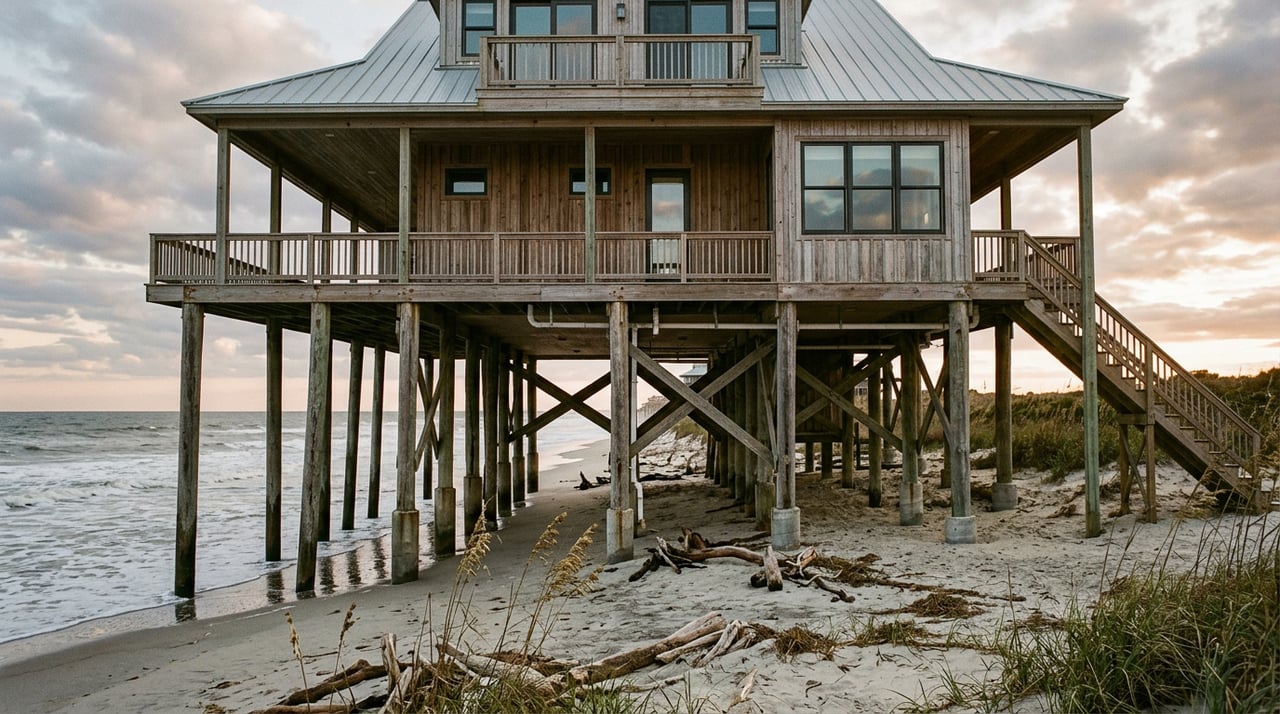
The Florida Keys function unlike any mainland market. Inventory is permanently constrained by geography, environmental regulation, and development limits. As a result, values here are less tied to short-term market cycles and more driven by scarcity of waterfront access, dockage, and island-specific desirability. Buyers are typically lifestyle-first — boating, fishing, privacy, and climate-driven living outweigh square footage metrics, with the strong rental and income options making a very appealing consideration.
Naples, by contrast, is a highly structured luxury market. Master-planned communities, golf courses, and newer construction dominate much of the landscape. This creates predictability — buyers know what they’re getting, from amenities to maintenance standards. Naples attracts those who want refinement, privacy, and ease, often with a seasonal or retirement-forward mindset.
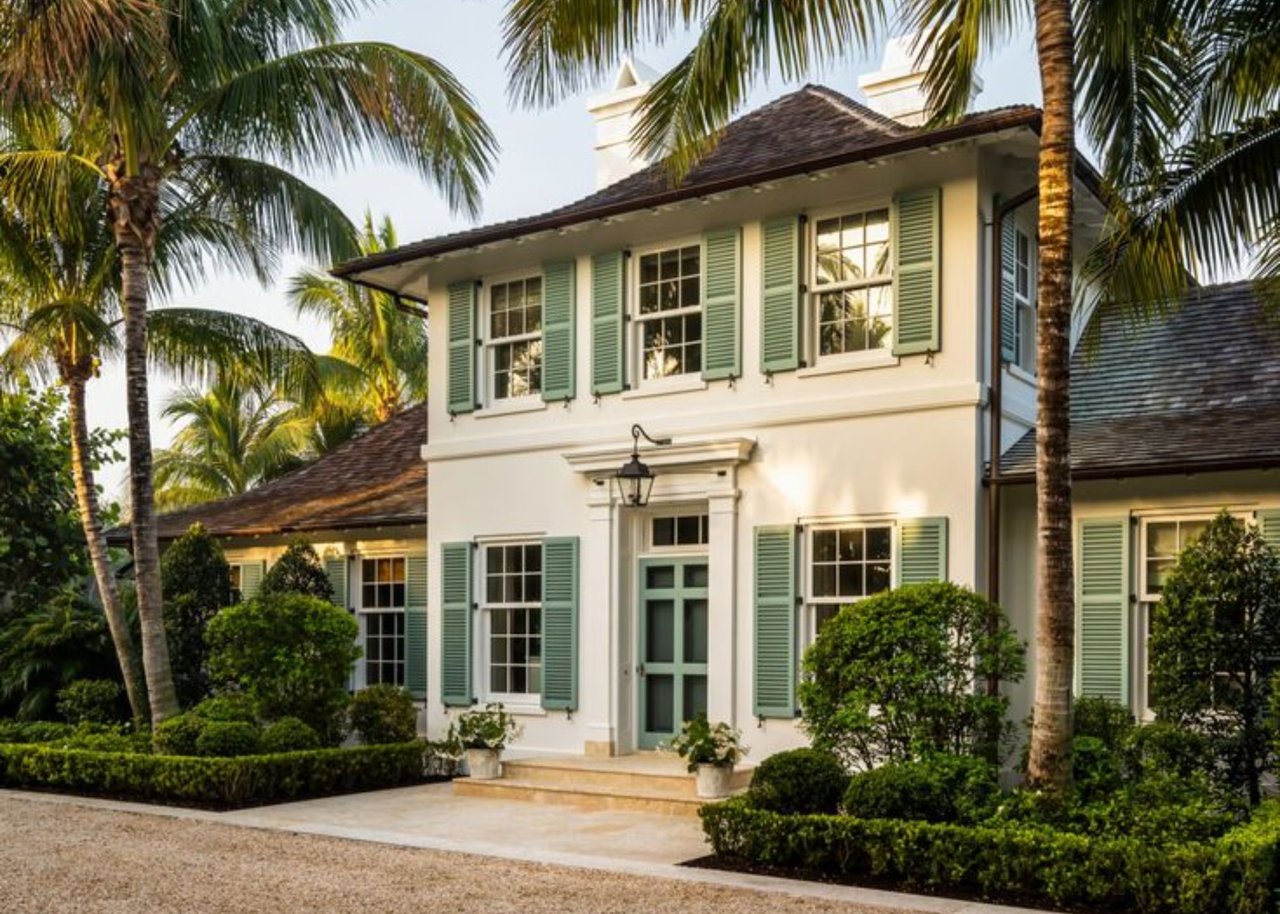
Palm Beach sits in a different category altogether. It is not a lifestyle experiment — it is a legacy address. Demand is driven by generational wealth, global buyers, and social capital as much as real estate fundamentals. Pricing here is shaped less by local supply and more by who wants to be in the room. It is one of the most insulated coastal markets in the country.
Pricing Reality: Understanding What Numbers Don’t Show
Median price statistics can be misleading when comparing these markets.
Naples often posts some of the highest median home prices in Florida due to its volume of luxury product and newer housing stock. Palm Beach’s overall median can appear lower than expected, but that number masks a bifurcated market where trophy properties trade far above the mean and very often in the 8 figures.
The Florida Keys are harder to summarize with a single number. Values vary dramatically by island, elevation, water depth, zoning, and dockage. A modest-sized waterfront home with protected dockage can outperform a much larger mainland property in long-term desirability and liquidity. Price per square foot is rarely the right metric here — water access and useability are.
Sophisticated buyers understand this and evaluate Keys properties more like rare assets than traditional residences.
Lifestyle Use: How Owners Live in Each Market
Second-home buyers increasingly prioritize use, not just ownership.
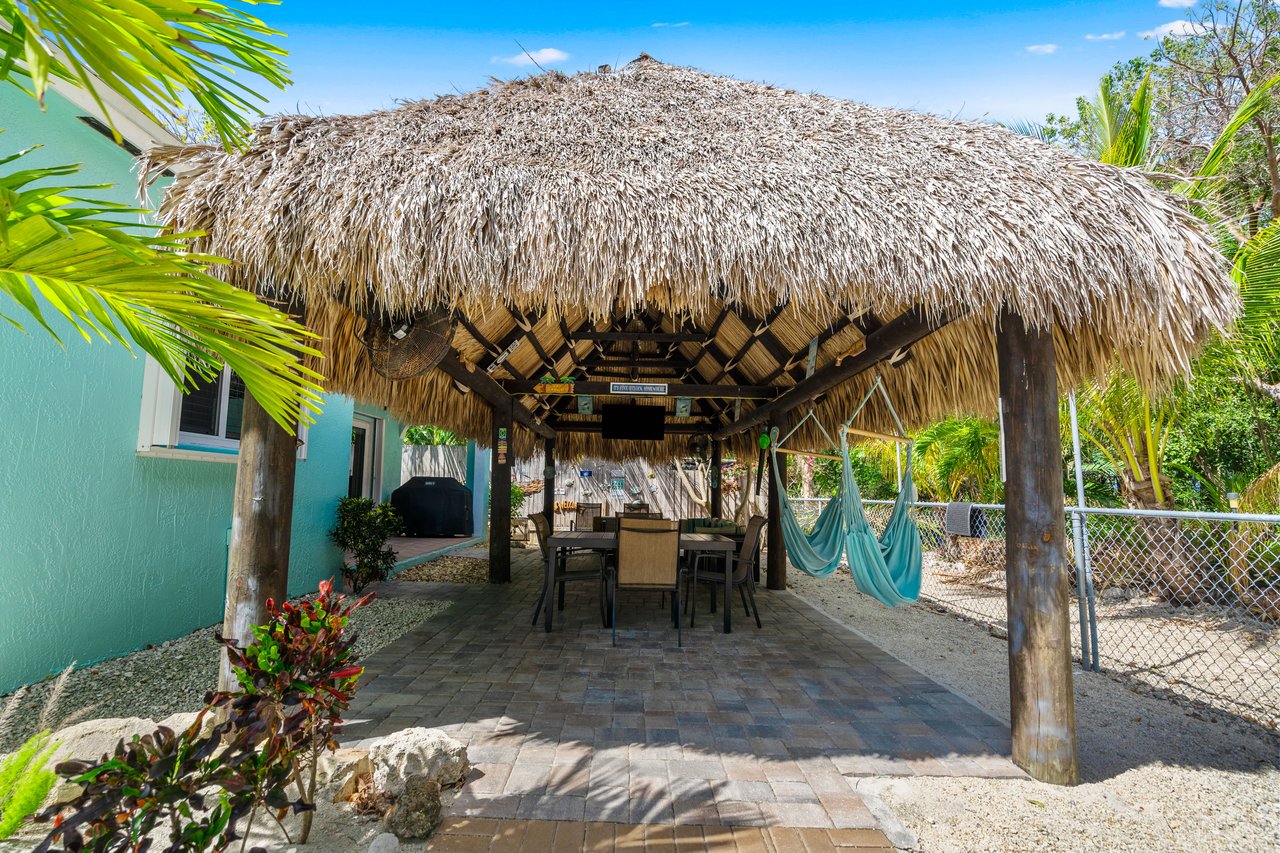
In the Florida Keys, homes are lived in. Boats are run weekly, not seasonally. Outdoor kitchens, deepwater access, and hurricane-resilient construction matter more than formal interiors. Many owners describe their Keys property as their most emotionally valuable asset, even if it’s not their largest one. Often times, owners here consider renting their residences monthly or seasonally. The Keys supports a diverse range of age, lifestyle, and investment profiles.
Naples offers a quieter rhythm. Owners split time between golf, beaches, dining, and private clubs. Properties are often turnkey, professionally managed, and easy to lock-and-leave. This appeals to buyers who want consistency and low friction. Naples tend to appeal to mid to older aged clientele and capital often originates from the Midwest and Northeast. The buyer profile tend to be high net worth and more club- centric.
Palm Beach is social and curated. Ownership often coincides with a winter calendar of events, philanthropy, and private gatherings. Walkability, architecture, and historical pedigree weigh heavily. Homes are as much part of a personal brand as they are a retreat. Dominated by the ultra high net worth clientele often more formal and legacy families.
Understanding Luxury Home Pricing: What Second-Home Buyers Actually Buy
At the luxury level, headline medians lose relevance. What matters instead is property type, location, and how the home functions in daily use. Palm Beach, Naples, and the Florida Keys each price luxury very differently — and that difference is central to buyer decision-making.
Palm Beach: Trophy Beachfront and Legacy Assets
Palm Beach is a beachfront-driven luxury market where true oceanfront inventory is extremely limited. Entry-level single-family homes in the town often begin in the $4M–$6M range, while direct oceanfront or intracoastal estates commonly trade from $20M into the $100M+ range, depending on frontage, architectural pedigree, and proximity to Worth Avenue.
Buyers here are not comparing price per square foot. They are acquiring irreplaceable frontage in one of the most socially and financially concentrated markets in the country. Renovation budgets are often secondary to land value, and transactions are frequently all-cash.
Palm Beach luxury skews heavily toward dry-lot estates, historic homes, and high-profile beachfront parcels, with limited emphasis on boating infrastructure compared to other coastal markets.
Naples: Structured Luxury, Primarily Dry-Lot Living
Naples luxury is defined by newer construction, gated communities, golf course frontage, and inland estates, with far less emphasis on true boating access. High-end single-family homes typically range from $3M to $12M for premium dry-lot properties within top communities.
Waterfront homes in Naples do exist, particularly along canals and bays, but they are far less central to the market’s identity than in the Keys. True Gulf-front estates command higher numbers, yet they are comparatively scarce and often priced more for view and beach access than for marine use.
Naples appeals to buyers seeking predictability, turnkey luxury, and managed living, where price bands are clearer and construction standards more uniform.
Florida Keys: The Widest Luxury Spectrum in Coastal Florida
The Florida Keys offer the broadest range of luxury property types anywhere in the state, which is precisely why pricing varies so widely — and why knowledgeable guidance matters.
In markets like Islamorada:
Unlike Naples or Palm Beach, Keys buyers can choose between canal access, bayfront living, or direct ocean frontage, each with a distinct price and lifestyle profile. Dockage, boating depth, storm protection, and useability often matter more than interior square footage.
This variety is exactly what draws sophisticated second-home buyers who want both lifestyle flexibility and long-term scarcity value.
In 2026, second-home buyers are no longer chasing trends — they are choosing markets that align with how they actually live and how they want their assets to behave over time.
The Florida Keys stand apart for buyers who value scarcity, experience, and emotional return as much as financial performance. For those buyers, the Keys are not a compromise — they are the destination.
Stay up to date on the latest real estate trends.

Lifestyle
A Local Guide to the Best Pilates in Key Largo, Tavernier, Islamorada and Marathon—from Reformer and Mat Pilates to Private Sessions and Wellness Experiences Shaping t… Read more
Real Estate
Sales are up, prices are higher and nearly $2.2 billion in residential real estate has traded so far this year. Here’s what the data says—and what buyers and sellers s… Read more
Real Estate
Real Estate
A Local Buyer’s Guide to Key Largo, Tavernier, Islamorada, Marathon, Big Pine Key and the Lower Keys—Including Home Prices, Property Types, Insurance Considerations an… Read more