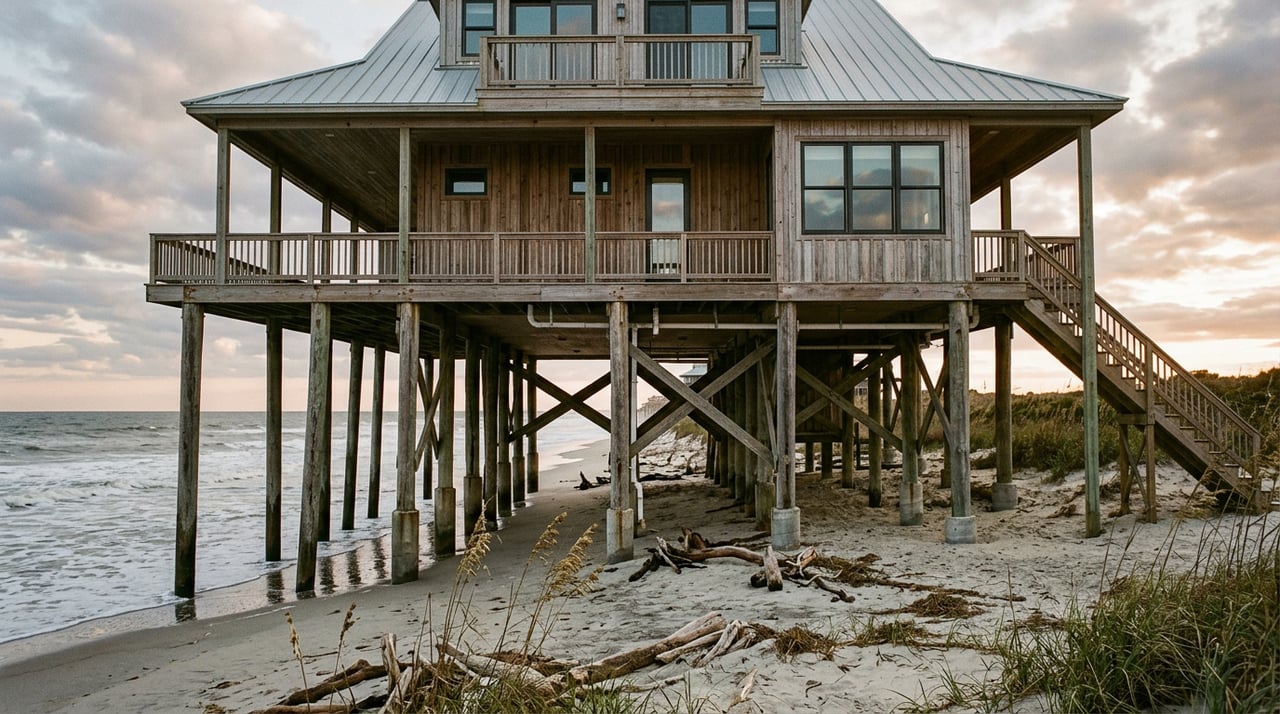
Wind Mitigation Credits In Islamorada: A Practical Guide
December 4, 2025
December 4, 2025
Are you wondering how to lower insurance costs on a home in Islamorada without sacrificing peace of mind? You are not alone. In the Keys, wind is not an abstract risk. It is a fact of coastal living that insurers price into every policy. In this guide, you will learn which wind‑mitigation features matter most, how to document them for credits, and how to use that documentation to strengthen your sale or purchase. Let’s dive in.
Islamorada sits in the High‑Velocity Hurricane Zone under the Florida Building Code, which sets stricter rules for opening protection and roof systems. You benefit when those features are present and documented because insurers often provide premium credits for verified mitigation. The result can be lower ongoing costs, better insurability, and a smoother transaction when you buy or sell. You can review the broader requirements in the Florida Building Code HVHZ provisions.
A key piece of paperwork is Florida’s standardized wind mitigation form. Insurers rely on the Uniform Mitigation Verification Inspection Form (OIR‑B1‑1802) to record your features and apply discounts. Your inspector completes this form and attaches supporting evidence such as permits, photos, and product approvals.
Impact glass helps prevent a breach of your home’s envelope during a storm. That reduces the chance of interior pressurization and roof damage. Insurers typically look for product approvals, especially a Miami‑Dade Notice of Acceptance (NOA), or Florida product approvals, along with the inspection form and photos.
Permanent systems like accordion, roll‑down, Bahama, or colonial shutters protect openings when closed and are faster to deploy than panels. Removable panels can still qualify, but many carriers favor permanent, certified systems. Inspectors document manufacturer information, photos, and any required permits.
Your roof is a major factor in wind performance. Stronger deck attachment methods, such as ring‑shank nails at appropriate spacing, help keep the roof on. Insurers look for roof permits, contractor documentation on fasteners and spacing, and inspector notes on the OIR form. Product approvals for shingles or metal can also help.
Hurricane straps or clips tie the roof structure to the walls, which reduces uplift risk. Carriers commonly ask for visible verification, photos, and permits when available. Inspectors record the connection type on the mitigation form.
A secondary water barrier beneath the roof covering limits water intrusion if shingles are lost. Your contractor documentation and roof permits usually serve as proof. The inspector will note SWR on the form.
Hip roofs usually perform better than gables in high winds because they have fewer exposed ends. If you do have gables, bracing adds resilience. The inspector identifies roof shape and any bracing on the mitigation form.
Large openings can fail under wind pressure. Reinforced or impact‑rated garage doors and bracing reduce the risk. Product approvals and photos support credit eligibility.
Some homes benefit from comprehensive retrofits that connect foundations, walls, and roof systems together. Permits, engineer reports, detailed invoices, and photos help insurers verify the work.
A documented mitigation package can reduce buyer uncertainty and speed up underwriting. Before listing, order a current wind mitigation inspection and assemble a clean file with permits, NOAs, and invoices. Highlight recent permitted roof replacements, impact openings, and roof‑to‑wall connectors in your marketing. This is especially helpful in second‑home sales, where insurance is a top concern.
If you are weighing pre‑list upgrades, focus on features that reduce risk and attract buyers. Impact windows or certified shutters, a modern permitted roof with SWR, and verified connectors add confidence. You can also reference IBHS insights on effective measures from the Insurance Institute for Business & Home Safety.
Ask for the seller’s wind mitigation report and permits early in the process. If the file is thin, order your own inspection and request quotes based on the verified features. Compare the cost of possible upgrades against premium differences to decide what to do now and what to plan for later. Clear documentation helps you avoid surprises after closing.
Every insurer prices credits differently. The most reliable way to evaluate savings is to compare quotes before and after you document features. Beyond premiums, mitigation reduces the chance of catastrophic loss and interior damage, which many second‑home owners value.
Documented mitigation improves marketability because buyers can see how a home handles wind and how easy it may be to insure. It will not replace core valuation factors, but it removes friction and strengthens buyer confidence in Islamorada.
In Islamorada and Monroe County, permits and final inspections matter to carriers and inspectors. Pull a permit history from the Monroe County building and permitting office for clarity on past work. For impact products, insurers often look for Miami‑Dade NOAs or Florida product approvals to confirm testing standards.
If you want to go beyond code minimums, consider the IBHS Fortified pathway. Some insurers recognize the IBHS FORTIFIED Home program, which can carry marketing value for buyers who prioritize resilience. Always confirm recognition and credit amounts with your carrier.
For preparedness tips and mitigation context, review FEMA’s hurricane guidance alongside your inspector’s recommendations.
In Islamorada, the best plan blends real estate strategy, construction insight, and documentation. As a fourth‑generation Keys professional with architecture training and general contractor and interior design licensure, I help you evaluate a home’s features, plan targeted upgrades, and package the documents insurers expect. Whether you are listing a canal‑front home or shopping for a second residence, you can make smarter decisions with a clear mitigation roadmap.
If you are ready to discuss options, request a consult with Kelsey Caputo‑Frins.
Stay up to date on the latest real estate trends.

Lifestyle
A Local Guide to the Best Pilates in Key Largo, Tavernier, Islamorada and Marathon—from Reformer and Mat Pilates to Private Sessions and Wellness Experiences Shaping t… Read more
Real Estate
Sales are up, prices are higher and nearly $2.2 billion in residential real estate has traded so far this year. Here’s what the data says—and what buyers and sellers s… Read more
Real Estate
Real Estate
A Local Buyer’s Guide to Key Largo, Tavernier, Islamorada, Marathon, Big Pine Key and the Lower Keys—Including Home Prices, Property Types, Insurance Considerations an… Read more